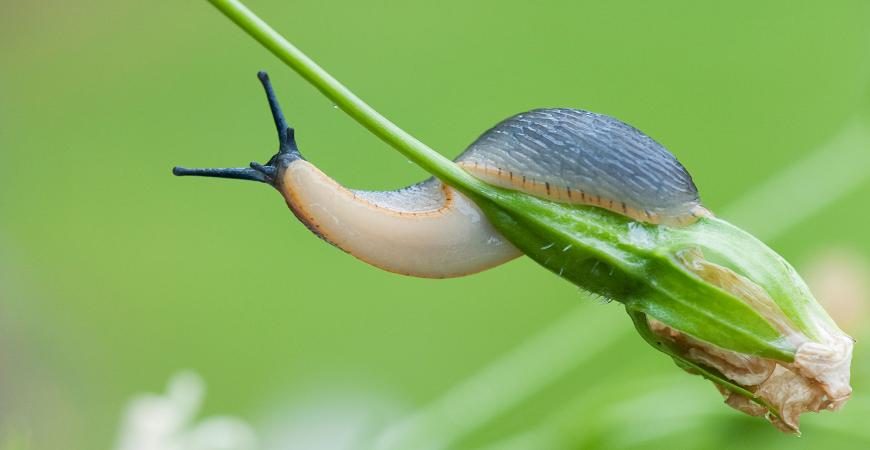
Slugs are one of the most common (and frustrating) garden pests in the UK. They feed on plants, flowers, vegetables, and even lawn seedlings, often destroying hard work overnight.
While a few slugs are normal in a healthy garden ecosystem, infestations can quickly spiral out of control. This guide explains how to get rid of slugs in your garden, how to prevent them from returning, and when to call a professional for help.
1. Why Slugs Are Attracted to Your Garden
Slugs are mostly active at night and thrive in cool, damp conditions.
They’re drawn to:
-
Wet soil or mulch.
-
Shaded spots under pots, stones, or decking.
-
Decaying leaves and compost piles.
-
Tender new growth and seedlings.
💡 If you see holes in leaves or slime trails on soil, you’ve got slug activity.
2. Identify Slug Damage Early
Look for these common signs of slug infestation:
-
Irregular holes in leaves, especially lettuce, hostas, and cabbage.
-
Silver slime trails across paths and plant pots.
-
Missing seedlings — slugs can devour entire young plants overnight.
-
Hidden clusters under damp pots or stones during the day.
3. Natural Ways to Get Rid of Slugs in Your Garden
Beer Traps
-
Bury shallow containers in the soil and fill with beer.
-
Slugs are attracted to the scent, fall in, and can’t escape.
-
Empty traps regularly and refresh the beer.
Copper Barriers
-
Stick copper tape around pots or raised beds.
-
The metal reacts with slug slime, creating a mild electric deterrent.
Eggshells or Grit Barriers
-
Crushed eggshells, sand, or diatomaceous earth create rough surfaces slugs avoid.
Remove Shelter Spots
-
Clear away leaves, debris, and old plant matter where slugs hide during the day.
-
Elevate pots and tidy garden borders.
4. Biological & Eco-Friendly Control
If you want an environmentally safe solution, try nematodes.
-
Nematodes are natural microscopic worms that target slugs in the soil.
-
Mix with water and apply using a watering can.
-
Safe for pets, children, and wildlife.
-
Works best when soil temperatures are above 5°C.
5. Protect Plants Without Chemicals
-
Use slug-resistant plants such as ferns, lavender, and geraniums.
-
Grow delicate plants (like lettuce or hostas) in raised beds or pots.
-
Water plants in the morning — evening watering attracts slugs at night.
-
Avoid over-mulching — it creates damp slug-friendly hiding spots.
6. When to Call a Pest Control Professional
If slugs keep returning despite DIY efforts:
-
You may have heavy soil infestations or structural damp areas.
-
Pest experts can apply safe treatments to break the breeding cycle.
-
They’ll also identify problem zones (drainage, compost, or damp foundations).
How Sort a Home Can Help
At Sort a Home, we make slug control simple:
-
Book pest control experts to safely remove garden infestations.
-
Hire handymen or landscapers to fix damp, repair decking, or seal gaps.
-
Schedule garden maintenance to keep spaces tidy and less inviting to pests.
👉 Book Slug Pest Control Services through Sort a Home and protect your garden today.
Customer Experiences Across the UK
-
“Our slug problem ruined our hostas every summer. Sort a Home’s pest control used nematodes — no more damage!” – Lucy
-
“We booked a handyman in Birmingham to repair decking and seal gaps. The garden’s been slug-free since.” – Carl
-
“In London, we got expert advice on natural slug deterrents — works wonders for our veg patch.” – Zoe
Final Thoughts: Take Back Your Garden
Slugs can destroy plants fast, but with the right prevention, your garden can thrive again. Combine natural methods, regular maintenance, and expert help for lasting results.
Book Slug Pest Control for Your Garden
👉 Visit Sort a Home Pest Control Services to find trusted experts who can help protect your garden from slugs and other pests.