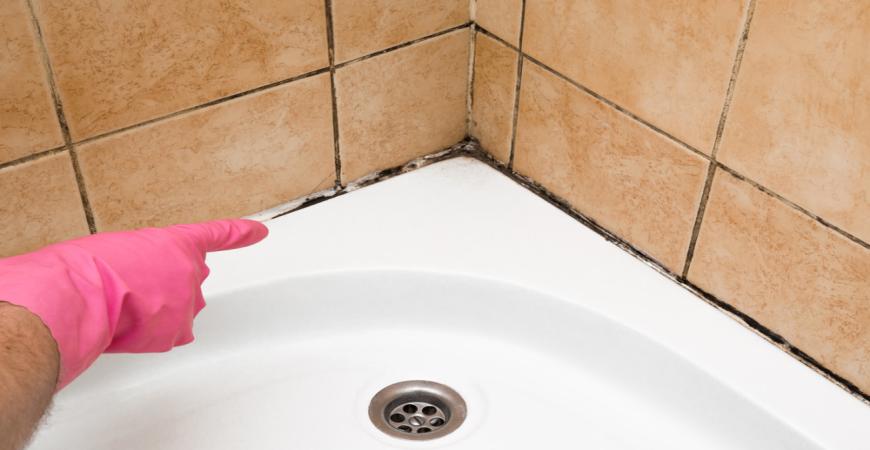
Mould in the bathroom is a problem faced by thousands of UK homeowners, especially during the colder months. It’s not just unsightly; mould can cause unpleasant odours, damage paint and sealant, and even trigger allergies or breathing problems.
Fortunately, getting rid of mould and keeping it gone is completely achievable with the right methods. This guide explains what causes bathroom mould, how to remove it safely, and how to stop it from coming back.
1. What Causes Mould in Bathrooms?
Mould thrives in damp, humid, and poorly ventilated spaces — and your bathroom provides the perfect environment.
Common causes include:
-
Steam from hot showers and baths with poor ventilation
-
Leaking pipes or taps creating constant moisture
-
Condensation from uninsulated walls or windows
-
Old silicone sealant or grout holding trapped moisture
💡 Mould spores can begin to grow within 24–48 hours in the right conditions.
2. How to Identify Bathroom Mould
Look for these signs:
-
Black, green, or brown spots on grout, ceilings, or corners
-
Musty smell that lingers even after cleaning
-
Peeling paint or bubbled wallpaper near damp areas
-
Foggy mirrors or condensation buildup that doesn’t clear
💡 If mould keeps returning in the same area, there may be a hidden leak or ventilation issue.
3. Step-by-Step: How to Get Rid of Bathroom Mould
Step 1: Protect Yourself
Before you start cleaning, make sure you:
-
Wear rubber gloves, eye protection, and a face mask
-
Open windows or use an extractor fan for ventilation
Step 2: Clean Visible Mould
Use one of these methods:
Option A – Household Cleaning Solution
-
Mix 1 part bleach to 3 parts water in a spray bottle
-
Apply to affected areas and leave for 10–15 minutes
-
Scrub using a stiff brush or old toothbrush
-
Rinse and dry thoroughly
Option B – Natural Solution
-
Combine white vinegar and baking soda
-
Spray the vinegar directly, let it sit for an hour, then scrub
-
Apply baking soda paste for stubborn patches
-
Wipe with warm water and dry
👉 Book Cleaning Services if you’d prefer professionals to deep clean and sanitise safely.
4. How to Get Mould Out of Bathroom Sealant and Grout
Mould often hides in the silicone seal around baths, sinks, and showers.
-
Use a mould removal gel (available from DIY stores like Screwfix or B&Q)
-
Apply the gel, leave for 30 minutes, and rinse
-
For badly affected sealant, scrape off and re-seal the area
👉 Find a Handyman to remove and replace damaged sealant professionally.
5. Prevent Bathroom Mould from Coming Back
Removing mould is only half the battle — prevention is key.
Improve Ventilation
-
Install or upgrade your extractor fan
-
Leave windows open after showers
-
Keep the door slightly open to release steam
👉 Book Electrical Services for extractor fan installation or upgrades.
Control Moisture
-
Wipe tiles, mirrors, and surfaces after bathing
-
Fix leaking taps or pipes immediately
-
Use a dehumidifier in particularly damp bathrooms
Maintain Cleanliness
-
Spray anti-mould cleaner weekly
-
Wash bathroom mats and towels regularly
-
Re-seal or re-grout every few years
💡 Prevention is cheaper than repairs — moisture control stops mould before it grows.
6. When to Call a Professional
If mould spreads quickly, covers a large area, or causes paint damage, call a professional.
They can:
-
Trace the source of hidden leaks or condensation
-
Treat walls and ceilings with anti-fungal coating
-
Safely replace damaged drywall, sealant, or grout
👉 Hire a Bathroom Expert through Sort a Home for safe, lasting mould removal.
7. Common Myths About Bathroom Mould
❌ “Bleach alone kills all mould.”
➡ Bleach removes surface mould but doesn’t kill spores in porous materials.
❌ “Mould only grows in old homes.”
➡ Even new bathrooms can grow mould if ventilation is poor.
❌ “You can paint over mould.”
➡ Painting traps mould underneath — always clean and dry before painting.
8. Products That Help Prevent Mould Growth (UK Examples)
You can recommend or link these as helpful resources (non-affiliate examples):
-
HG Mould Spray – kills mould on tiles and grout
-
Dettol Anti-Bacterial Mould & Mildew Remover – easy spray for small patches
-
Ebac 3850e Dehumidifier – perfect for damp bathrooms
-
Xpelair Simply Silent Extractor Fan – quiet and energy-efficient ventilation
💡 Always follow manufacturer instructions and wear protective gear.
9. Customer Experiences Across the UK
-
“We couldn’t get rid of black mould near the shower until Sort a Home sent a cleaner — spotless since.” – Lucy, Nottingham
-
“A handyman re-sealed our bath and fitted a stronger extractor — no mould since winter.” – Dean, London
-
“Professional service, fast and affordable. Highly recommend!” – Yasmin, Manchester
Final Thoughts: A Fresh, Healthy Bathroom Starts with Prevention
Mould removal is important for your home’s health and your family’s wellbeing.
By tackling moisture, improving airflow, and maintaining cleanliness, you can keep your bathroom mould-free for good.
Get Professional Help Today
👉 Visit Sort a Home Bathroom Cleaning & Handyman Services to find trusted professionals who can remove mould and protect your bathroom long-term.